Prevent Electrical Fires: Top Causes & Safety Tips
Electrical Fires: Why Fast Action Matters
Picture your home or business at night. Quiet. Safe. Until the whiff of burning plastic or a sudden blackout snaps you awake. Electrical fires don’t wait for business hours, and every year, thousands of families and companies face damage, loss, and disruption due to hidden electrical hazards.
At Anthony Electrical, we know these dangers aren’t just statistics. We’ve seen firsthand how overloaded outlets, old wiring, or a single damaged cord can spark disaster. The good news? Most electrical fires are preventable with the right steps and a bit of vigilance.
The Real Risks: Leading Causes of Electrical Fires ⚡
Electrical fires don’t play favorites. They can strike in cozy living rooms or busy warehouses. These are the top culprits we see most often:
1. Overloaded Outlets and Power Strips
It’s easy to plug in “just one more” device. But outlets can only handle so much. Overloading can make wires overheat, melting insulation and sparking a fire. According to the U.S. Fire Administration, electrical malfunctions are a leading cause of structure fires nationwide.
Practical tip:
Keep it simple. Don’t daisy-chain power strips or use them for major appliances. If an outlet feels warm or smells odd, unplug everything and call an emergency electrician.
2. Outdated or Damaged Wiring
Wiring wears out—especially in older homes or buildings. Frayed insulation, loose connections, or improper repairs can create hidden fire risks. If your property is over 40 years old and hasn’t been rewired, it’s time for a checkup.
Practical tip:
Watch for flickering lights, buzzing switches, or outlets that spark. These are your warning signs.
3. Faulty Appliances
Appliances are a bit like cars—eventually, they break down. Old or poorly maintained devices can arc or short, especially if cords are pinched or cracked.
Practical tip:
Unplug appliances before cleaning. Replace anything with a damaged cord or plug right away.
4. Damaged Extension Cords
That trusty extension cord in the garage? If it’s frayed, bent, or overloaded, it’s a fire hazard. Cords are meant for temporary use, not permanent solutions.
Practical tip:
Never run cords under rugs or through doorways. If a cord is hot or looks worn, toss it.
5. Improper DIY Electrical Work
We get it—DIY saves money. But electrical work is more like surgery than changing a tire. One wrong move can have serious consequences.
Practical tip:
If you’re not sure, call a professional. Code violations and poor connections cause thousands of fires a year.
Quick Electrical Safety Checklist
Keep your space safe with these simple steps:
- Test smoke and carbon monoxide detectors monthly.
- Replace old or damaged cords and plugs.
- Keep flammable items away from outlets and appliances.
- Don’t overload outlets or extension cords.
- Schedule regular electrical inspections, especially after renovations or storms.
- Install GFCIs (ground-fault circuit interrupters) in kitchens, bathrooms, and outdoors.
- Ensure surge protection for sensitive electronics.
- Know where your main breaker is and how to shut off power in an emergency.
DIY Fixes vs. Calling a Pro
Some things you can handle—like replacing a lightbulb or resetting a breaker. But electrical systems are like the nervous system of your building; small mistakes can have big consequences.
Safe to DIY:
- Resetting tripped breakers
- Replacing light bulbs
- Plugging in surge protectors
Call an Emergency Electrician for:
- Flickering lights or burning smells
- Frequent blown fuses or tripped breakers
- Outlets or switches that are hot to the touch
- Visible sparks or smoke
- Water-damaged electrical panels
Don’t gamble with high-voltage wiring near you. Licensed electricians have the training and tools to handle complex repairs and code compliance.
What Happens When the Pros Arrive
When Anthony Electrical answers your emergency call, here’s what you can expect:
- Quick assessment of all affected circuits and devices
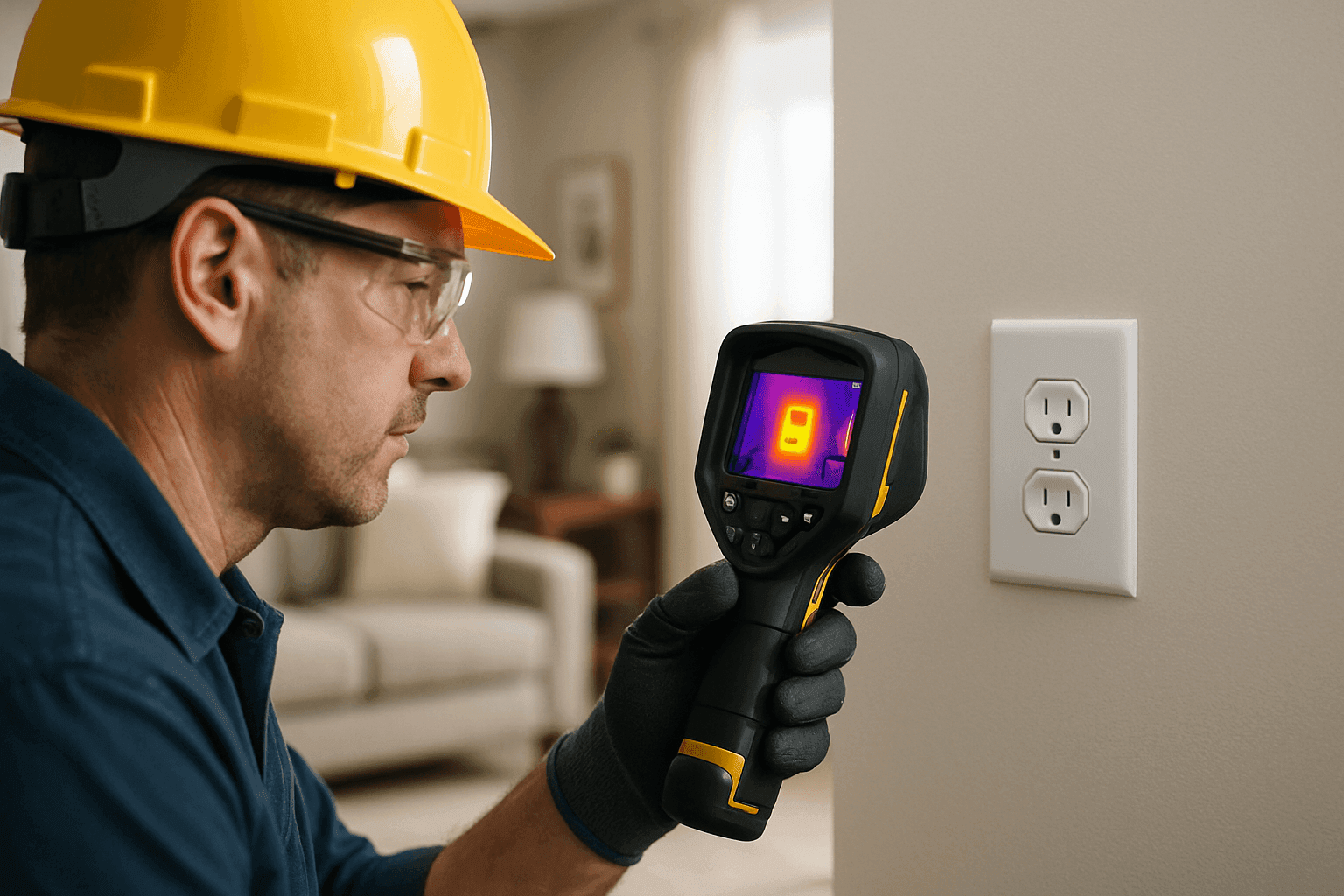
- Thermal imaging to spot hidden hotspots
- Tightening, repairing, or replacing faulty connections
- Testing of smoke and CO detectors for proper function
- Clear explanation of all findings and recommended next steps
We follow the latest National Electrical Code (NEC) and local safety guidelines, so your home or business meets today’s highest standards.
Prevention & Maintenance: Staying Ahead of Trouble
Prevention is the cheapest insurance you’ll ever buy. Here’s how you can stay ahead:
- Book annual or semi-annual electrical safety inspections (especially for older properties).
- Upgrade outdated wiring, breakers, or panels before issues arise.
- Install AFCIs (arc-fault circuit interrupters) to detect dangerous arcing.
- Keep appliances clean and well-maintained.
- Use weatherproof covers for outdoor outlets and lighting.
- Label your breaker panel for quick shutoff during emergencies.
Remember: Even the best systems need a checkup now and then. Like changing the oil in your car, routine maintenance keeps everything running safely.
Costs & Timing: What to Expect
Repair and inspection costs vary. Here’s a general sense—no quotes, just ballpark ranges:
- Emergency callouts often cost more than scheduled visits, especially after hours.
- Minor fixes (like replacing an outlet) are quick and affordable.
- Larger jobs (re-wiring, panel upgrades) take more time and investment, but they add value and safety for years.
Most inspections take 1–2 hours. Repairs can range from minutes to a full day, depending on complexity. We always explain options before starting work.
When It’s an Emergency
If you notice:
- Burning smells or visible smoke from outlets or panels
- Hot or discolored outlets
- Continuous sparking or arcing noises
- Power outages after storms (especially with flooding)
Turn off your main breaker (if safe) and leave the area. Call an emergency electrician immediately. Don’t try to fix it yourself—a small spark can turn into a big problem fast.
FAQs
How often should I have my electrical system inspected?
The National Fire Protection Association recommends an inspection every 3–5 years, or after major renovations, storm damage, or if your property is over 40 years old.
Can surge protectors prevent fires?
Surge protectors help shield electronics from voltage spikes, but they don’t fix underlying wiring problems. Use them as part of a broader safety plan.
Are GFCIs required everywhere?
The NEC requires GFCIs in kitchens, bathrooms, garages, laundry rooms, basements, and outdoor outlets. They’re a must-have for shock and fire prevention.
What’s the biggest sign of trouble?
Any heat, burning smell, or discoloration around outlets, switches, or your breaker panel deserves immediate attention.
Local & Seasonal Hazards: When to Stay Extra Alert 🌧️
Certain times of year see more electrical problems:
- Holiday Season: More lights, more decorations—more chance of overloads.
- Storm Season: Flooding and lightning can damage panels, wiring, and surge protectors.
- Summer: Heavy AC use strains old circuits, especially in commercial spaces.
If your power blinks during storms or you’re adding lots of new gadgets, schedule a quick safety check. Prevention is always easier than cleanup.
Electrical fires can be silent, fast, and devastating—but they’re not inevitable. A few simple steps and a watchful eye can make all the difference for your home or business. Need help right now, or just want peace of mind?
Call Anthony Electrical now — or reach us anytime at 877-748-8749 .