Electrical Safety Inspection Checklist: Protect Your Home or Business
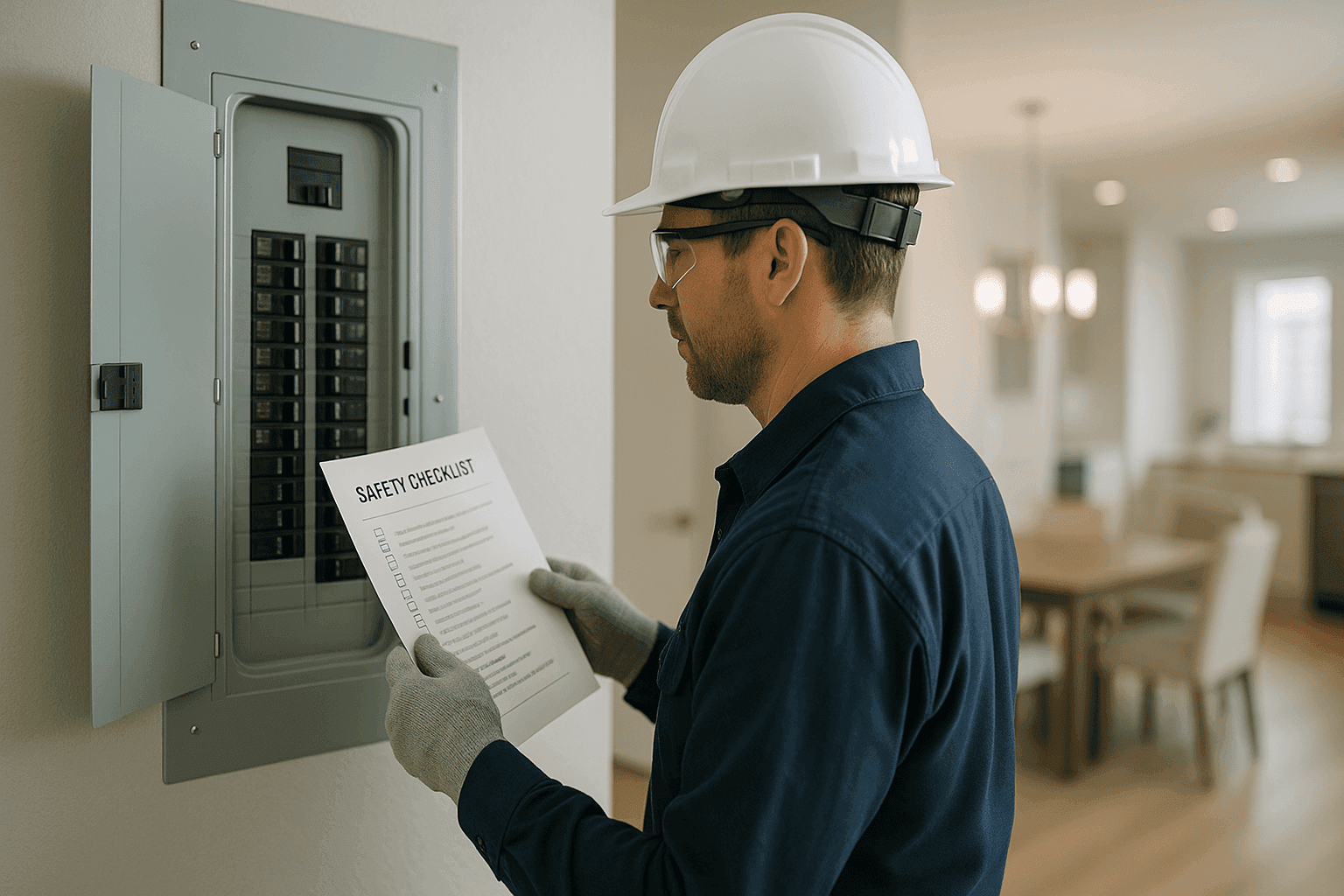
When was the last time you checked your outlets—or even looked at your breaker panel? Most people don’t. Life runs fast, and it’s easy to forget about what’s hidden behind the walls or humming quietly overhead. But even a tiny electrical problem can turn into a big, smoky mess in a flash.
At Anthony Electrical, we’ve seen how regular inspections can head off disaster. Whether you own a cozy home, manage a bustling office, or operate a busy warehouse, electrical safety isn’t just a box to tick. It’s peace of mind, and sometimes, it’s the difference between business as usual and a midnight emergency call.
Why Electrical Safety Inspections Matter ⚡
A loose wire is like a ticking clock. Most electrical hazards start small—barely noticeable. Maybe an outlet feels warm. Maybe a breaker trips once in a while. These little signs can be easy to ignore, but they’re often the early warning system for something more serious.
Inspections help catch the hidden dangers: overloaded circuits, worn insulation, and improper wiring. They’re not just about following the rules (though National Electrical Code [NEC] compliance is key). They’re about protecting what matters—your family, your team, your investment.
Quick Electrical Safety Checklist for Homes and Businesses
Print this. Stick it on your fridge or break room wall. Walk through your property. Check off each item.
Outlets & Switches
- Are any outlets or switches warm, discolored, or cracked?
- Do plugs fit snugly, with no wobbling?
- Are GFCIs (Ground Fault Circuit Interrupters) installed in kitchens, bathrooms, and outdoor areas?
- Are any outlets or switches buzzing, sparking, or giving off a burning smell?
- Do all switches operate lights and appliances as expected, with no flickering?
Panels & Breakers
- Is your electrical panel easily accessible, free of rust and debris?
- Are all breakers clearly labeled?
- Do breakers trip repeatedly for no clear reason?
- Are the panel cover screws all in place?
- Any evidence of moisture, corrosion, or burnt smells near the panel?
Visible Wiring
- Are wires neatly arranged, not pinched, frayed, or exposed?
- Do extension cords run under rugs or across walkways (they shouldn’t)?
- Are all junction boxes covered and secure?
Smoke & Carbon Monoxide Detectors
- Are alarms installed in every bedroom, hallway, and main living area?
- Do you test alarms monthly and change batteries twice a year?
- Are alarms less than 10 years old (check the date on the back)?
Surge Protection
- Is there a whole-house surge protector installed?
- Are power strips and surge protectors in good condition, not overloaded?
- Are sensitive electronics plugged into surge-protected outlets?
GFCIs & AFCIs (Arc Fault Circuit Interrupters)
- GFCIs should be tested monthly by pressing the “test” and “reset” buttons.
- AFCIs should be installed in bedrooms and living areas; test as per manufacturer’s instructions.
Lighting
- Are all bulbs the correct wattage for their fixtures?
- Are outdoor lights weatherproof and securely mounted?
- Any flickering, dimming, or buzzing from lights?
Specialized Equipment
- Are backup generators serviced and tested regularly?
- Is pool or spa wiring free from corrosion and protected from water?
- Are EV chargers, appliances, and heavy machinery professionally installed and maintained?
Residential vs. Commercial Priorities
Residential Focus
- Childproof outlets in homes with children.
- Proper GFCI/AFCI protection in kitchens, bathrooms, garages, and laundry rooms.
- Outdoor lighting and extension cord use (especially in older homes).
- Smoke and CO detector placement and age.
- Surge protection for home electronics.
Commercial Focus
- Emergency lighting and illuminated exit signs.
- Regular safety checks on breaker panels and subpanels.
- Machine wiring and motor control systems.
- Data cabling and server room power protection.
- Maintenance logs and compliance with workplace electrical safety guidelines (see OSHA standards).
Seasonal Electrical Safety Tips
Before Winter
- Inspect heating system wiring and replace old thermostats.
- Test backup generators and battery-operated lighting.
- Check outdoor outlets and lighting for moisture protection.
Storm Prep
- Unplug sensitive electronics during severe weather.
- Ensure surge protection is in place.
- Secure outdoor wiring and fixtures.
After Renovations
- Confirm all new wiring and outlets are up to code.
- Schedule a professional inspection before using new circuits or heavy equipment.
- Re-test smoke and CO detectors.
Signs of Hidden Electrical Hazards
Some problems hide in plain sight. Here’s what to watch for:
- Warm Outlets or Switches: Heat means trouble. It signals overloaded circuits or loose connections.
- Flickering or Dimming Lights: Not always a bad bulb—could be faulty wiring or a failing breaker.
- Unexplained Breaker Trips: If a breaker trips more than once, it’s waving a red flag.
- Buzzing, Crackling, or Burning Smells: Electricity should be silent and odorless. Any noise or smell is a warning.
- Sparking Outlets or Panels: Even a tiny spark can ignite dust or insulation.
- Discolored Outlets or Switches: Yellowing or browning means heat damage.
Notice any of these? It’s time to stop and call a licensed electrician.
DIY vs. Calling a Professional
Some things you can handle. Replacing light bulbs. Testing smoke detectors. Resetting a breaker—once. But when it comes to anything behind the walls, or problems that repeat, it’s best to pick up the phone.
Calling an emergency electrician isn’t just about fixing problems. It’s about making sure your repairs are safe, code-compliant, and recognized by insurance companies. According to the National Fire Protection Association (NFPA), faulty wiring is a leading cause of home fires—a risk not worth taking.
What Happens When an Electrician Arrives
Here’s what you can expect from Anthony Electrical, whether it’s a routine check or a 2 a.m. emergency:
- We’ll listen to your concerns and ask about any recent issues.
- Our team inspects all main safety points: panels, breakers, outlets, switches, and visible wiring.
- We’ll test GFCIs, AFCIs, and detectors.
- If we find a problem, we’ll explain it in plain language—not jargon.
- We always follow the latest National Electrical Code (NEC) and local regulations.
- If repairs are needed, we’ll prioritize urgent hazards and provide a transparent plan for next steps.
Prevention & Maintenance
Routine inspections are the fence at the top of the cliff, not the ambulance at the bottom. Here’s how to stay ahead:
- Schedule electrical safety inspections every 3–5 years for homes, annually for businesses.
- Test GFCIs and smoke detectors monthly.
- Keep panels and outlets accessible and free from clutter.
- Replace damaged cords and worn appliances.
- Log any breaker trips or power issues—patterns help identify hidden faults.
- After any major weather event, renovation, or equipment upgrade, have a professional check your system.
Costs & Time Factors
How much? How long? It depends—on the size of your property, its age, and what we find. Inspections for a small home can take under an hour. Larger businesses may need several hours, especially if complex systems are involved.
Costs vary with scope. Add-ons like panel upgrades, generator maintenance, or surge protection installation are extra. The key: catching small issues early is always less expensive than fixing major damage after a fire or outage.
When It’s an Emergency
If you notice:
- Burning smells or smoke from outlets, panels, or fixtures.
- Sparking or arcing.
- Power loss to critical systems (refrigeration, medical equipment, security).
- Repeated breaker trips with no clear cause.
Don’t wait. Shut off power at the main breaker if safe. Then call an emergency electrician right away. Anthony Electrical is on call 24/7—nights, weekends, holidays. Your safety is our priority.
FAQ: Common Electrical Safety Questions
How often should I schedule a professional inspection?
For most homes, every 3–5 years. Businesses with high demand or older wiring should schedule annual inspections.
Are DIY outlet or switch replacements safe?
Only if you’re familiar with electrical safety and local codes. Otherwise, call a licensed electrician to avoid code violations and hidden hazards.
Do I need surge protection if I have circuit breakers?
Yes. Breakers protect against overloads and shorts, but not against voltage spikes from lightning or grid issues. Surge protection adds a layer of defense for electronics and appliances.
What electrical work requires a permit or inspection?
Panel upgrades, rewiring, new circuits, and major appliance installations typically require permits and inspections. Always check local regulations.
Local & Seasonal Considerations
Weather and age matter. In older homes and buildings, wiring insulation can break down faster—especially after decades of freeze-thaw cycles, humidity, or pest damage. In regions with frequent storms or harsh winters, surge protection and generator readiness are a must.
Before the first frost or the next thunderstorm, walk through your checklist. If you’re unsure, Anthony Electrical can help you prepare, repair, and keep your property safe all year long.
Electrical safety shouldn’t be an afterthought. Whether you’re a homeowner, a business owner, or somewhere in between, a little prevention today can save a lot of trouble tomorrow.
Call Anthony Electrical now — or reach us anytime at 877-748-8749 .