How to Prepare Your Electrical System for Severe Weather
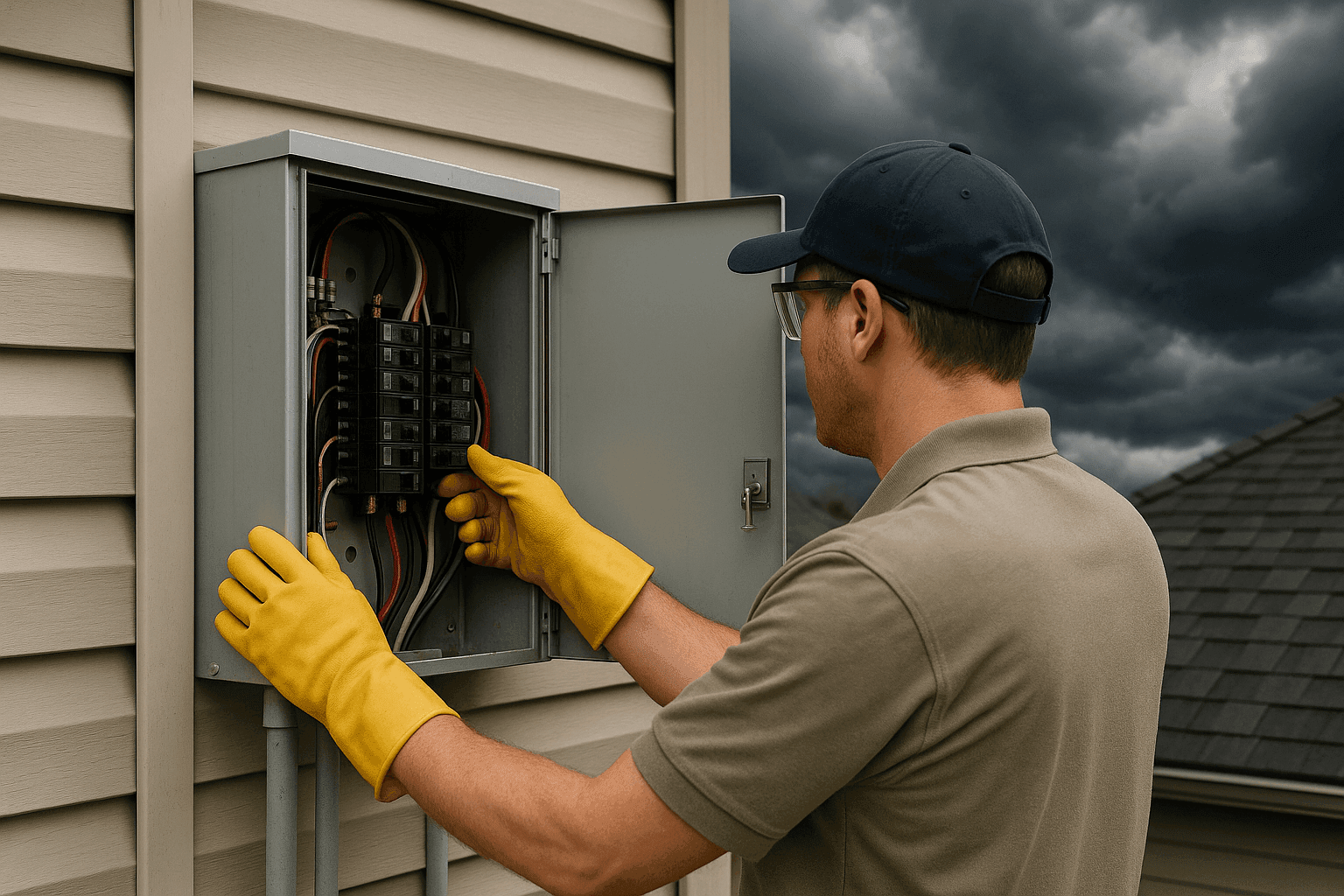
When the sky darkens and the wind starts howling, your electrical system is the silent hero standing between you and chaos. But even the strongest heroes need a little backup. Preparing your home or business for severe weather isn’t just smart—it’s essential.
At Anthony Electrical, we know how quickly a peaceful evening can turn into a scramble when storms hit. That’s why we’re here to help you keep the lights on, the fridge running, and your family or business safe—no matter what Mother Nature throws your way.
Common Electrical Risks in Severe Weather ⚡
Storms, freezes, and high winds can turn your electrical system into a battlefield. Here’s what you’re up against:
- Power Surges: Like a tidal wave crashing through your wires, surges can fry appliances in a heartbeat. Lightning strikes or sudden power restoration after an outage are common culprits.
- Outages: High winds knock down lines. Ice weighs them down until they snap. Either way, you’re left in the dark.
- Fire Hazards: Damaged wiring or overloaded circuits can spark fires, especially if water finds its way into your system.
- Flooding: Water and electricity are a dangerous mix. Flooded basements or crawlspaces can lead to shorts, shocks, or worse.
- Fallen Trees and Debris: When branches crash down, they can pull wires loose or damage outdoor panels.
Electrical risks during severe weather aren’t just inconvenient—they can be life-threatening. The National Fire Protection Association (NFPA) and Occupational Safety and Health Administration (OSHA) both stress the importance of electrical safety before, during, and after storms.
Pre-Storm Electrical Preparation Checklist
Think of this as your electrical “raincoat”—a few smart steps can make a world of difference.
1. Inspect Panels and Breakers
- Make sure your main electrical panel is dry, accessible, and free from rust or corrosion.
- Check for signs of wear: buzzing, flickering lights, or a burning smell are red flags.
- Label all breakers clearly. In an emergency, you’ll want to know which switch controls what.
2. Secure Outdoor Wiring and Equipment
- Fasten loose wires and secure outdoor electrical boxes.
- Trim trees and branches near power lines.
- Protect outdoor outlets with weatherproof covers.
3. Install Surge Protectors
- Use whole-home surge protectors or plug-in models for sensitive electronics.
- Unplug non-essential devices before storms hit.
4. Test Backup Generators
- Run your generator for a few minutes each month.
- Stock up on fuel and store it safely.
- Never run generators indoors—carbon monoxide is deadly.
5. Check Smoke and Carbon Monoxide Detectors
- Test alarms and replace batteries.
- Place detectors on every floor, especially near sleeping areas.
6. Review Your Emergency Plan
- Know how to shut off the main breaker.
- Keep emergency numbers, including your emergency electrician, handy.
- Prepare flashlights, batteries, and a battery-powered radio.
These steps are simple, but they can mean the difference between a minor inconvenience and a major disaster.
Emergency Electrical Safety During Storms
When the storm is roaring outside, safety comes first. Here’s what to do:
- Stay Indoors: Avoid touching electrical devices, especially if you see lightning or hear thunder.
- Unplug Electronics: If you haven’t already, unplug computers, TVs, and major appliances to protect against surges.
- Avoid Flooded Areas: Never wade into water that could be in contact with electrical outlets or equipment.
- Don’t Use Wired Devices: Corded phones and wired electronics can carry a lightning strike indoors.
- If Power Goes Out: Use flashlights, not candles, to prevent fire hazards. Check your panel only if it’s safe and dry.
If you smell burning, see sparks, or suspect electrical damage, call an emergency electrician immediately. Your safety is worth more than any appliance.
Post-Storm Electrical Inspection and Repairs 🛠️
The storm has passed. Now what? Don’t let your guard down just yet.
1. Inspect for Visible Damage
- Look for downed power lines—stay far away and call the utility company.
- Check outdoor wiring, panels, and outlets for water damage or debris.
2. Test Outlets and Switches
- Plug in a simple lamp or device to test each outlet.
- If anything flickers, buzzes, or doesn’t work, leave it off and call for help.
3. Check Your Generator
- Let it cool before refueling.
- Inspect for leaks or damage after use.
4. Schedule a Professional Safety Inspection
- Hidden damage can lurk behind walls or in panels.
- Certified electricians follow National Electrical Code (NEC) guidelines to ensure everything is up to standard.
5. Document Damage
- Take photos for insurance claims.
- Keep a list of affected appliances and repairs needed.
Don’t attempt major repairs yourself. Electricity is invisible, but its risks are real. A professional eye can spot dangers you might miss.
Why Call a Certified Emergency Electrician?
You wouldn’t trust a leaky roof to fix itself. Your electrical system deserves the same care. Certified electricians have the training and equipment to handle hazards safely and efficiently, following standards set by the NEC and NFPA.
Whether it’s a midnight outage or a suspicious smell after a storm, Anthony Electrical is available 24/7. We handle everything from quick fixes to complex repairs, so you don’t have to worry.
Practical Tips to Reduce Electrical Risks
- Schedule annual electrical safety inspections, especially before storm season.
- Upgrade old wiring and panels if they show signs of age.
- Install ground fault circuit interrupters (GFCIs) in kitchens, bathrooms, and outdoor areas.
- Consider home automation systems for remote monitoring and control.
Proactive steps today can save you from headaches—and hazards—tomorrow.
Frequently Asked Questions
How do I know if my electrical system is storm-ready?
Look for updated panels, working surge protectors, and recent inspections. If your system is older or you’ve noticed frequent issues, schedule a professional checkup.
Are portable generators safe to use during storms?
Yes, if used correctly. Always run generators outdoors, away from windows and doors, to prevent carbon monoxide poisoning. Follow manufacturer guidelines and never overload circuits.
What should I do if I see sparks or smell burning after a storm?
Turn off the main breaker if safe to do so. Leave the area and call an emergency electrician immediately. Do not attempt to investigate or fix the issue yourself.
Can I install surge protectors myself?
Plug-in models are easy for most people, but whole-home surge protectors should be installed by a licensed electrician to ensure proper grounding and safety.
Special Considerations for Businesses and Homeowners
- Businesses: Consider backup power for critical equipment, data servers, and security systems. Regularly update your emergency response plan and train staff on electrical safety.
- Homeowners: Make sure all family members know how to shut off power and who to call in an emergency. Keep backup lighting and essential supplies in an easy-to-find spot.
- Pools & Spas: Water features require special attention. Ensure all pool and spa wiring is up to code and protected from water intrusion.
- EV Chargers & Appliances: Unplug during severe storms if possible and have a professional inspect for damage before reuse.
Severe weather is unpredictable, but your preparation doesn’t have to be. If you need help getting your electrical system storm-ready—or if you’re facing an emergency—Anthony Electrical is here 24/7.
Call Anthony Electrical now — or reach us anytime at 877-748-8749 .