How to Safely Install EV Chargers at Home and Business
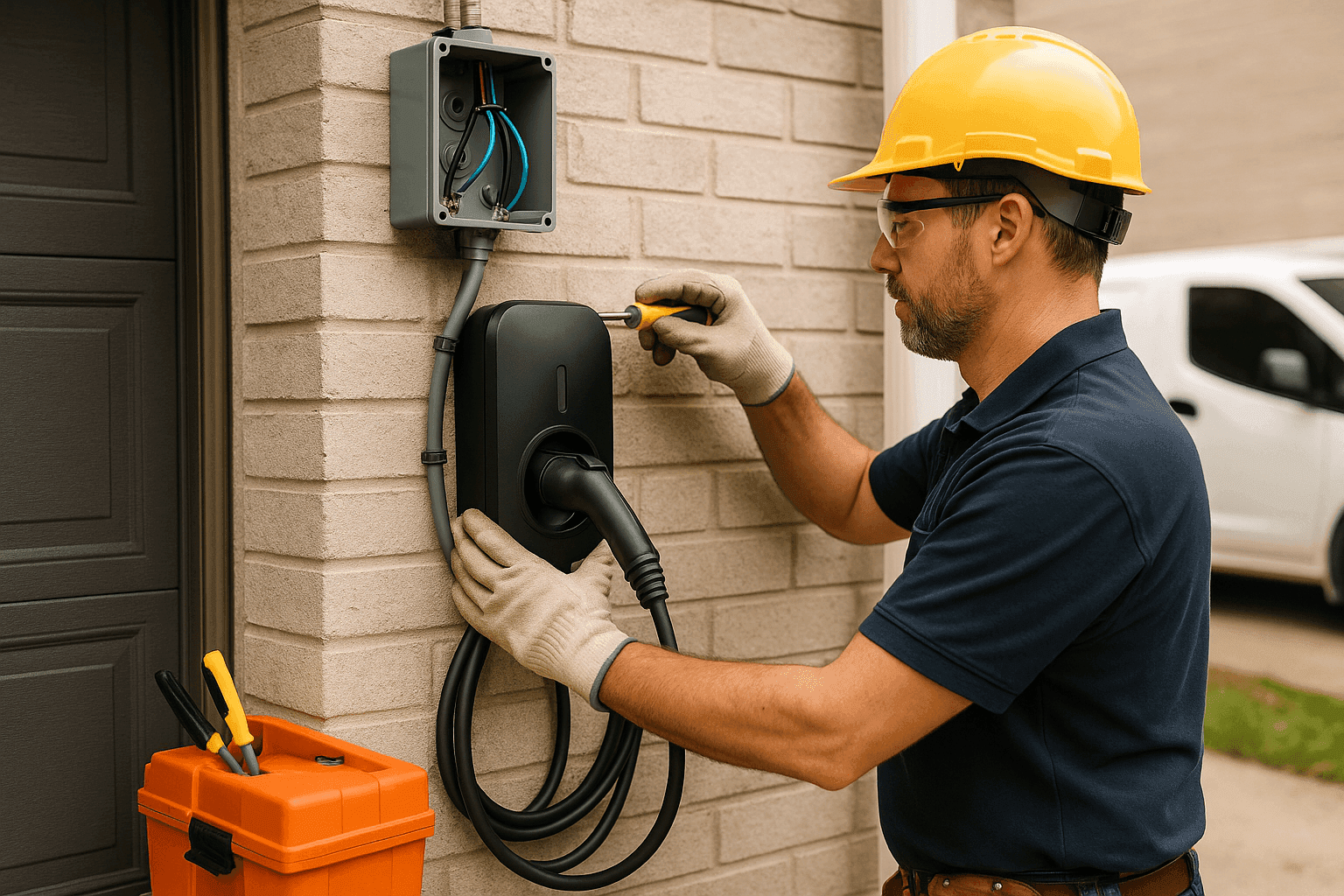
Are you thinking about installing an EV charger at your home or business? The world is charging ahead—literally. Electric vehicles are everywhere, and plugging in at your own property is quickly becoming a must, not a luxury. But wiring up powerful equipment isn’t like plugging in a lamp. It’s more like adding a new heart to your building’s electrical system.
At Anthony Electrical, we know that a safe, reliable EV charger install is about more than convenience. It’s about protecting your property, your investment, and your peace of mind. Let’s break down what you really need to know before you start.
Why EV Charger Installation Deserves Respect ⚡
Adding an EV charger isn’t just another Saturday project. These devices draw much more power than most appliances. Imagine trying to run a fire hose through a garden hose—the result isn’t pretty. If your wiring or panel isn’t up to the task, you risk overheating, blown breakers, or worse: fire.
For homeowners, a safe installation means your car is ready to go every morning. For business owners, it means happy customers and employees—and no unexpected downtime. The stakes are high, and the rules are strict for a reason.
Quick Safety Checklist
Before you even think about buying a charger, run through this list:
- Check your main electrical panel capacity. Can it handle the extra load?
- Know your charger type. Level 1 (120V) plugs into standard outlets; Level 2 (240V) needs special wiring.
- Inspect existing wiring. Old or damaged wires are a no-go.
- Locate your install spot. The closer to the panel, the easier (and cheaper) the job.
- Plan for weather exposure. Outdoor chargers need weatherproofing.
- Permits and codes. Most areas require permits and code-compliant work.
- Emergency shutoff. Make sure you have a way to quickly cut power if something goes wrong.
If any of these points give you pause, you’re not alone. That’s where a licensed emergency electrician comes in.
DIY vs. Call a Pro
Let’s be honest—YouTube makes everything look easy. But EV charger installation is more like surgery than assembling furniture. Here’s why:
DIY Risks:
- Shocking accidents (literally)
- Voiding your car or home warranty
- Failing inspection or code requirements
- Overloading circuits, risking fire
Why Call a Licensed Electrician:
- They assess your panel and wiring with a practiced eye.
- They know the National Electrical Code (NEC) and local rules.
- They pull the right permits and arrange inspections.
- They install surge protection and GFCI devices.
- They’re insured in case something goes wrong.
Trying to cut corners here is like skipping the seatbelt. It’s just not worth it.
What Pros Do On Arrival
When Anthony Electrical arrives, we don’t just start drilling holes. Here’s what our process looks like:
1. Assess Your Electrical Panel
We check if your panel can handle the new load. If not, we’ll recommend upgrades or alternatives.
2. Inspect Existing Wiring
We look for wear, corrosion, and code violations. Safety first, always.
3. Confirm Charger Placement
We help you choose a spot that’s safe, convenient, and code-compliant.
4. Obtain Permits
We handle the paperwork so you don’t have to worry about red tape.
5. Install with Precision
We use high-quality materials and follow best practices. Everything is double-checked before power is restored.
6. Test and Demonstrate
We test the charger with your vehicle and show you how everything works. No guesswork.
Prevention & Maintenance
Installing the charger is just the beginning. Like any major appliance, it needs regular checkups.
- Schedule annual inspections. Catch problems before they become emergencies.
- Keep the area dry and clean. Water and electricity don’t mix.
- Watch for tripped breakers or odd noises. These are warning signs.
- Install surge protection. EV chargers are sensitive to voltage spikes.
The National Fire Protection Association (NFPA) and the NEC both stress the importance of regular inspection and maintenance for high-current devices.
Costs & Time Factors
No two installations are quite the same. Here’s what shapes the cost and timeline:
- Panel upgrades: Needed if your system can’t handle the extra load.
- Distance from panel to charger: Longer runs mean more materials and labor.
- Charger type: Level 2 chargers require more wiring and setup than Level 1.
- Permits and inspections: These add time but are essential for safety and insurance.
Most installs take a few hours to a full day, depending on complexity. Panel upgrades or rewiring can add several days. Costs range widely—think of it like buying a suit: off-the-rack is cheaper, but custom fits better.
When It’s an Emergency
Sometimes, things go wrong—fast. Signs you need an emergency electrician right away:
- Burning smells or visible smoke near your panel or charger
- Repeated breaker trips or sparks
- Charger won’t power up, or you hear buzzing
- Water leaks near electrical equipment
Don’t wait or try to fix it yourself. Turn off the main breaker if safe and call Anthony Electrical. We’re available 24/7 because electrical emergencies don’t keep office hours.
FAQ: EV Charger Installation
Do I really need a permit?
Yes. Permits ensure your installation meets safety codes and is covered by insurance. Skipping this step can cause headaches down the road.
Can I use my existing outlet?
Level 1 chargers use standard outlets, but Level 2 chargers need a dedicated 240V line. Using the wrong outlet can be dangerous.
What if my panel is full?
You may need a subpanel or a panel upgrade. A licensed electrician can assess and recommend the best solution.
How do I protect my charger from power surges?
Surge protection devices (SPDs) are a must. They guard against voltage spikes from storms or grid issues, extending the life of your charger and vehicle.
Special Considerations for EV Charger Installation
- Home Automation Integration: Want to monitor charging from your phone? Ask about smart chargers that connect to your home automation system.
- Commercial Properties: Multiple chargers need load management and signage. Plan for future growth.
- Accessibility: Make sure charger placement works for all users.
- Backup Power: Consider a generator or battery backup for critical charging needs.
- Environmental Exposure: Outdoor installs need weatherproof enclosures and proper drainage.
Every property is different. That’s why professional guidance matters.
Call Anthony Electrical now — or reach us anytime at 877-748-8749 .