Generator Installation & Maintenance: Keep Your Power On Year-Round
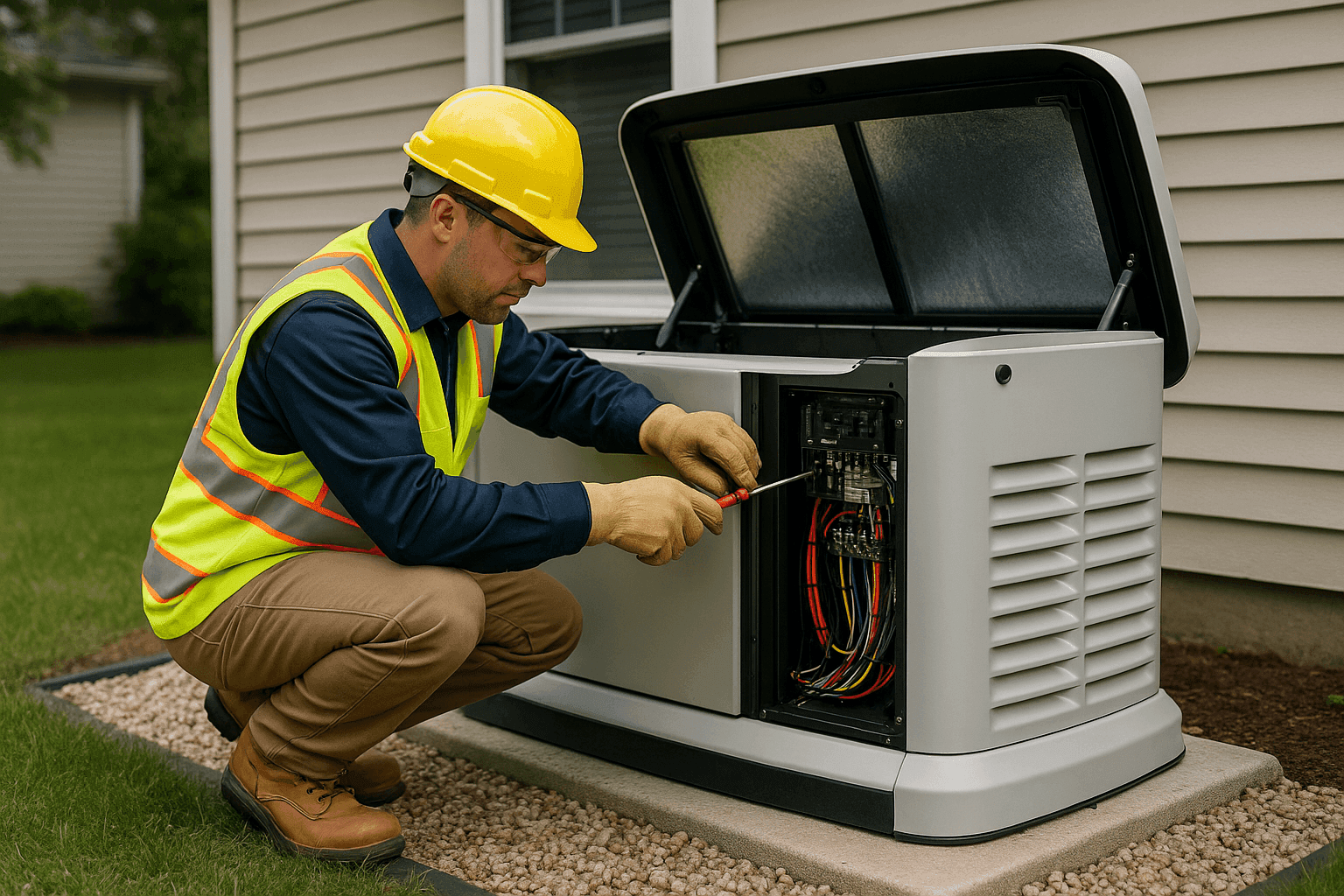
Electricity is the lifeblood of your home or business. When it goes out, so does comfort, safety, and productivity. That’s why more families and companies turn to Anthony Electrical, your 24/7 emergency electrician, to install and maintain reliable generators. We’re here to help you keep your power on—no matter what the weather throws your way.
We know electrical emergencies don’t wait for business hours. Our licensed and insured team answers the call, day or night, ensuring you never face the dark alone. Let’s walk through what it takes to power up your peace of mind, all year long.
Why Install a Generator? ⚡
Imagine a storm rolls in. Lights flicker. The hum of the fridge silences. Servers shut down. Suddenly, the comforts and essentials you rely on—gone in an instant. Generators are the lifeboats that keep you afloat when the grid fails.
Top reasons to invest in a generator:
- Storm Preparedness: Blizzards, hurricanes, and windstorms can knock out power for hours—or days.
- Business Continuity: No power means lost revenue, spoiled inventory, and disappointed customers.
- Home Safety: Sump pumps, medical devices, freezers—these can’t wait for the power company’s timeline.
- Peace of Mind: Sleep easier knowing your family or business is protected, even in the worst conditions.
Portable vs. Standby Generators
Generators aren’t one-size-fits-all. The right solution depends on your needs.
Portable Generators
Think of these as the spare tire of backup power. Portable generators are great for temporary, short-term use. They’re moved into place when needed and run on gasoline or propane. Plug in a few key appliances or tools, and you’re back in business—at least for a while.
- Pros: Lower upfront cost, flexible.
- Cons: Limited capacity, manual setup, require safe fuel storage, not automatic.
Standby Generators
This is your home or business’s seatbelt. Standby generators are permanently installed outdoors. They kick on automatically when the power drops, fueled by natural gas or propane. No extension cords. No braving the storm to start them up.
- Pros: Whole-house or whole-business protection, automatic, safer, higher capacity.
- Cons: Higher cost, requires professional installation and permits.
Site Assessment & Sizing: The Foundation for Safety
A generator is only as good as its fit. Too small, and you’ll overload it. Too big, and you waste money and fuel. Anthony Electrical starts every project with a thorough site assessment.
What we look at:
- Power Needs: What must stay on? Fridge, HVAC, security system, computers?
- Location: Safe clearance from windows, doors, and combustibles.
- Wiring & Circuits: Can your existing panel handle transfer switches and new loads?
- Local Codes: Municipal requirements for installation, noise, and emissions.
Sizing isn’t guesswork. We follow guidelines from the National Electrical Code (NEC) and manufacturer specs to match the right generator to your needs.
Fuel Options: What’s Best for You?
Generators run on different fuels—each with pros and cons:
- Gasoline: Easy to find, but must be rotated and stored safely.
- Propane: Clean burning, storable, but needs a tank.
- Natural Gas: Unlimited supply (if connected), but requires a gas line.
- Diesel: High efficiency, long shelf life, but more emissions.
We help you weigh reliability, cost, and availability to choose the best fuel source for your generator.
Quick Safety Checklist Before Installing
Before bringing backup power to your home or business, keep these checks in mind:
- Only use generators outdoors—never in garages or basements.
- Maintain at least three feet of clearance from buildings and combustibles.
- Install carbon monoxide detectors nearby.
- Ensure proper electrical panel compatibility.
- Secure permits where required by local code.
- Plan for safe fuel storage and handling.
Refer to OSHA and National Fire Protection Association (NFPA) guidelines for detailed safety protocols.
DIY Installation vs. Professional Help
Installing a generator isn’t like changing a lightbulb. It’s more like rewiring the engine of your car during a thunderstorm—with the hood up and lightning flashing overhead.
Risks of DIY:
- Shock or Fire Hazard: Incorrect wiring or grounding can be deadly.
- Code Violations: Unapproved installations may void insurance or fail inspections.
- Improper Sizing: Overloaded generators can damage electronics or start fires.
- Fuel Leaks: Poor connections risk leaks or explosions.
Professional electricians are trained to handle high-voltage wiring near you—safely and by the book. Anthony Electrical’s team is licensed, insured, and stays current on local codes and safety standards.
What Happens When Pros Arrive
When you call Anthony Electrical, here’s what to expect:
- Assessment: We listen to your needs and inspect your electrical system and site.
- Sizing Calculation: We determine the correct generator size for your essential loads.
- Permitting: We handle paperwork and coordinate inspections with local authorities.
- Installation: We install the generator, transfer switch, and all required wiring to code.
- Testing: We run a full system test—under load—to ensure seamless automatic transfer.
- Education: Before we leave, we walk you through safe operation and maintenance basics.
It’s more than plugging in a machine—it’s setting up a safety net for your life or business.
Generator Maintenance: Keep It Ready All Year
A generator is like an umbrella. Useless if it’s broken when the storm hits. Routine maintenance keeps your backup power reliable.
Seasonal Maintenance Schedule
Spring & Fall:
- Run the generator under load for at least 30 minutes.
- Check and top off oil, coolant, and fuel levels.
- Inspect and clean air filters.
- Test the automatic transfer switch (ATS).
- Tighten all electrical connections.
- Check for signs of corrosion or rodent damage.
Monthly:
- Run a short “exercise cycle.”
- Listen for odd noises or vibrations.
- Verify battery voltage (for electric start models).
Before Storm Season:
- Fill fuel tanks; check expiration dates on stored gasoline.
- Confirm exhaust and intake are clear of debris.
- Review your backup power plan with family or staff.
Always follow manufacturer recommendations and consult the generator’s manual.
Signs Your Generator Needs Service
Don’t wait for the storm to find out your generator is sick. Call Anthony Electrical if you notice:
- Struggling to start or frequent stalling.
- Unusual noises—clanking, grinding, or excessive vibration.
- Warning lights or error codes on the panel.
- Smoke, fuel, or oil leaks.
- Low power output or flickering lights when running.
Addressing issues early prevents bigger problems and costly repairs down the line.
Costs & Time Factors: What to Expect
Generator installation is an investment in safety and continuity. Costs vary based on:
- Type (portable vs. standby)
- Capacity (kilowatts needed)
- Fuel source
- Complexity of wiring and transfer switch
- Permitting and local code requirements
Portable units may be set up in a few hours. Standby systems can take from a single day (for simple jobs) to several days (for trenching or major upgrades).
Maintenance costs are modest compared to downtime or damage from an outage.
When It’s an Emergency
Power out? Generator won’t start? Smell gas or see smoke? Don’t wait. Our emergency electricians are on call 24/7 for urgent repairs and troubleshooting.
- Stay clear of any sparks or exposed wires.
- Do not attempt to refuel a hot generator.
- Call Anthony Electrical immediately for rapid, safe response.
Your safety is always our first priority.
Common Generator Questions
How often should I run my generator?
Exercise your generator once a month for 20–30 minutes. This keeps fluids moving and helps spot problems before you need backup power.
Can I run my whole house or business on a generator?
That depends on the generator size. Standby generators can cover everything, while portable models usually power select circuits.
Do I need permits to install a generator?
Yes—most local codes require permits and inspections for standby generator installation, wiring, and fuel connections.
Are generators noisy?
Modern standby generators are quieter than ever, but placement and model type affect noise levels. We help you choose and site your unit for minimal disruption.
Local & Seasonal Considerations
Every region faces different risks—tornadoes, ice storms, brownouts, or wildfires. In humid climates, check for rust. In cold zones, winterize your generator with heater kits. If you’re near saltwater, choose corrosion-resistant models and inspect more often. Your emergency electrician from Anthony Electrical will tailor a plan for local conditions.
Stay Powered, Stay Safe
Your generator is more than a machine. It’s your safety net when the world goes dark. Choose Anthony Electrical for certified, insured installation and maintenance—backed by education and a real, local team.
Call Anthony Electrical now — or reach us anytime at 877-748-8749 .