How Much Does It Cost to Rewire a House or Business?
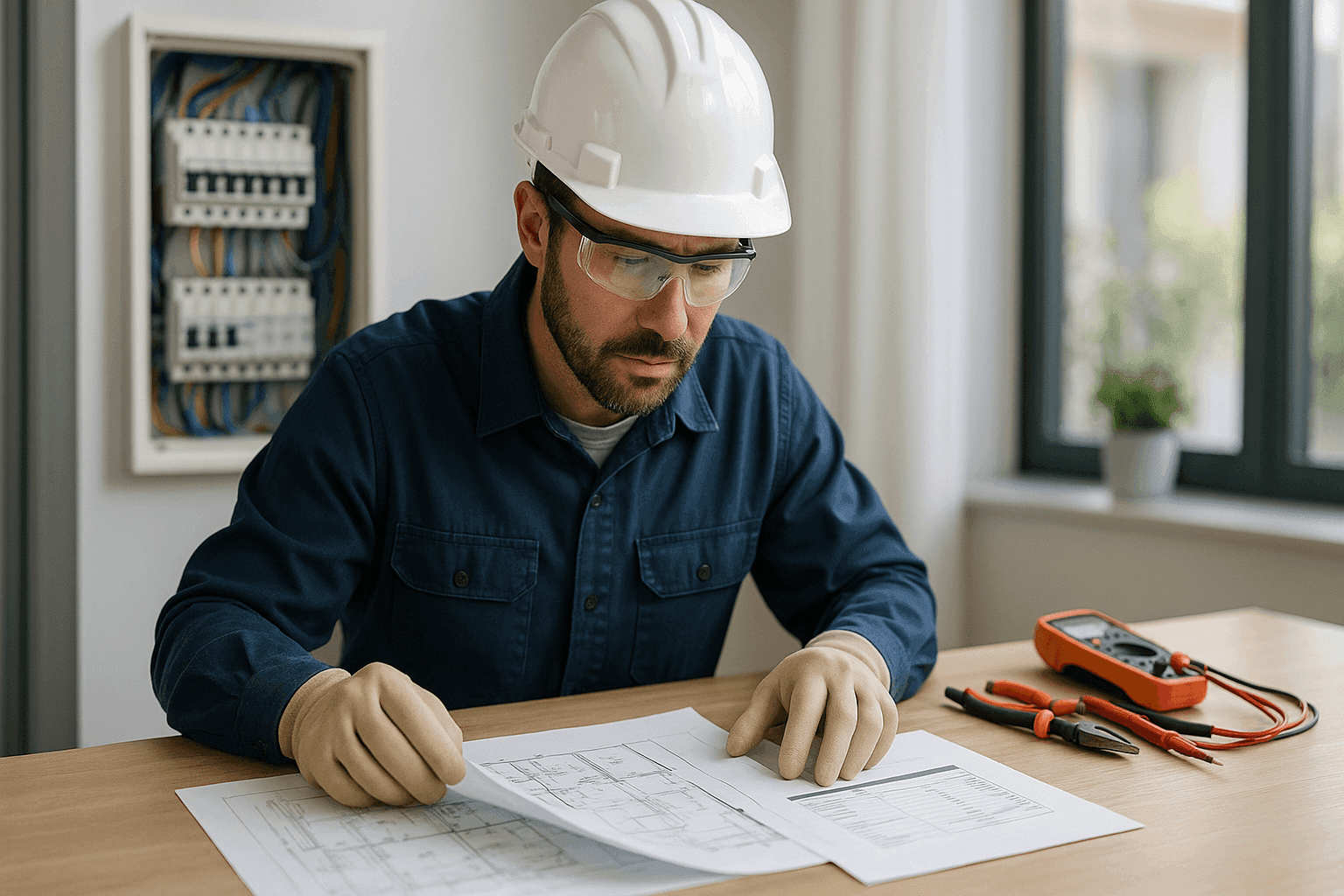
Feeling uneasy about old wiring in your house? Or maybe you’re worried your business’s electrical system isn’t keeping up with new tech? You’re not alone. Every week, folks reach out to Anthony Electrical after hearing a strange buzzing, noticing flickering lights, or wondering if their property is keeping up with safety codes.
Rewiring isn’t just about keeping the lights on—it’s about protecting what matters most. And with all the headlines about electrical fires and power outages, it’s natural to want answers now, not later. Let’s break down what rewiring really means, what impacts the cost, and how to make smart, safe choices for your property.
Why Would You Need to Rewire? ⚡
Think of your property’s wiring as its nervous system. Over time, insulation can dry out, wires can corrode, and old systems fall behind modern demands. Here’s why rewiring is more than an upgrade:
- Aging Wires: Many homes and commercial buildings still run on wiring installed decades ago—sometimes even cloth-wrapped or aluminum. These materials simply weren’t built for today’s electronics, appliances, and high-voltage equipment.
- Safety Upgrades: Faulty or outdated wiring is a leading cause of electrical fires. New wiring meets stricter safety codes, often including arc-fault protection and better grounding.
- Code Compliance: The National Electrical Code (NEC) updates every three years. Insurance companies and inspectors expect compliance. Falling behind can mean denied claims or failed inspections.
- Power Demands: If you’ve added air conditioning, EV chargers, computers, or industrial machines, old wires may be overloaded—like trying to run a marathon in flip-flops.
Quick Safety Checklist
Not sure if your property is due for rewiring? Watch for these signs:
- Frequent blown fuses or tripped breakers
- Flickering or dimming lights
- Discolored outlets or switches (brown/black marks)
- Burning smells or buzzing sounds from panels
- Outlets that feel hot or spark
- Two-prong outlets (no ground)
- Aluminum wiring (common in homes built in the 1960s–70s)
- No GFCI protection near water (bathrooms, kitchens, outdoors)
If you spot any of these, it’s time for a professional assessment.
DIY vs. Call a Pro
It’s tempting to think, “I can save a few bucks and do this myself.” But rewiring isn’t like changing a lightbulb—it’s more like performing heart surgery on your building. The risks aren’t just personal injury; bad wiring can put your whole property, and the people inside, at risk.
Licensed electricians (like those at Anthony Electrical) understand code requirements, load calculations, and safety procedures. We bring specialized tools, training, and insurance. Most importantly, work done by a pro passes inspection, keeping you protected and in compliance. When in doubt, always call an emergency electrician—especially for High-Voltage Wiring near you.
What Pros Do On Arrival
When you call Anthony Electrical, here’s what you can expect:
- Thorough Inspection: We assess your current wiring, panels, and grounding. Using meters and thermal cameras, we spot hidden trouble.
- Clear Scope: We’ll explain what needs to be replaced, what can stay, and what upgrades are required for code.
- Written Estimate: You get a transparent breakdown of labor, materials, permits, and timelines—no guesswork.
- Permitting & Planning: We handle required permits and coordinate with inspectors to ensure a smooth process.
- Safe Work: Our team follows OSHA and NEC guidelines, uses quality materials, and keeps your space tidy.
Prevention & Maintenance Tips
Rewiring is a major project, but good habits extend the life of your electrical system:
- Schedule annual electrical safety inspections.
- Never overload outlets or run extension cords as permanent fixes.
- Upgrade panels and breakers as your power needs grow.
- Install whole-house surge protection.
- Replace damaged cords or devices immediately.
- Let professionals handle High-Voltage Wiring, EV chargers, and major appliances.
According to the Electrical Safety Foundation International (ESFI), regular maintenance and upgrades cut your risk of fire and power loss dramatically.
Costs & Time Factors: What Affects the Price?
No two rewiring jobs are the same. Think of it like remodeling a kitchen—cost depends on size, complexity, and the quality of what’s going in.
Key cost factors:
- Property Size: Bigger homes or commercial buildings mean more wire, more labor, and more circuit complexity.
- Accessibility: Is your wiring hidden behind finished walls or easy to reach in open basements/attics? The more demolition and repair, the higher the cost.
- Materials Used: Copper wire, AFCI/GFCI breakers, smart switches, specialty outlets, and data cabling all add up.
- Panel Upgrades: Sometimes, an old panel or breaker box needs replacing to handle new loads or meet code.
- Labor: Licensed electricians are required for safe, code-compliant work. More complicated systems (like those in factories or restaurants) need more hours.
- Permitting & Inspections: City or county permits (often $100–$1,500) and required inspections add to the bill.
Typical national averages (as of 2024):
- Home rewiring: $8,000–$20,000 for a 1,500–3,000 sq ft house, depending on access and finish quality.
- Small business/office: $15,000–$40,000+, especially if specialty circuits or backup generators are included.
- Large commercial/industrial: $50,000 and up—projects here are highly customized.
Caveats:
- Older homes with plaster walls, historic features, or hazardous materials (like asbestos) can cost more.
- Businesses with 24/7 operations may need phased work or after-hours service to minimize downtime.
- Custom requests (home automation, EV chargers, network cabling) increase complexity and cost.
Timeline: Most homes take 3–10 days; businesses can run several weeks, depending on scope and scheduling with inspections.
When It’s an Emergency
Some electrical issues can’t wait. If you smell burning, see smoke, or lose power to critical systems (like life-support equipment or commercial refrigeration), call an emergency electrician immediately. Our team is on call 24/7, ready to respond to urgent faults, power outages, or dangerous conditions.
In emergencies, we’ll:
- Make the site safe
- Restore power where possible
- Advise on repairs or temporary solutions
- Work with local inspectors so you can reopen or return safely
FAQ
How do I know if my wiring is dangerous?
If you notice frequent circuit problems, burning smells, or outlets that feel hot, your wiring may be unsafe. Older aluminum or cloth-insulated wiring is also a risk. Schedule a professional safety inspection.
Will rewiring disrupt my home or business?
There will be some disruption—walls may need to be opened, and power may be off in sections. We work to minimize mess and coordinate around your schedule. For businesses, we can often work after hours to avoid downtime.
Do I need to upgrade my electrical panel too?
Often, yes. If your panel is outdated, undersized, or has safety recalls (such as certain Federal Pacific or Zinsco panels), it will need replacing to meet code and handle increased loads.
Is rewiring worth it in the long run?
Absolutely. Modern wiring increases safety, supports new technology, and can boost your property’s value. It also lowers your risk of electrical fires and insurance claims.
Local & Seasonal Considerations
In some regions, extreme weather (heat, cold, humidity) puts extra stress on electrical systems. Older properties in these climates often need upgrades sooner. If you’re in an area with frequent storms or power outages, consider adding surge protection and backup generators during your rewiring project.
Seasonal demand (holidays, summer AC loads) can strain old systems. Plan major upgrades before peak seasons to avoid emergency outages.
Wrapping Up: Your Next Steps
Rewiring is a big decision, but it’s also an investment in safety and peace of mind. At Anthony Electrical, our licensed, insured electricians take pride in thorough site assessments and code-compliant work. We know every home and business is unique, and we’re here to answer your questions every step of the way.
Ready to talk about your project? Want a clear, honest quote? Call Anthony Electrical now — or reach us anytime at 877-748-8749 .